


Vrbenské fishponds Nature Reserve
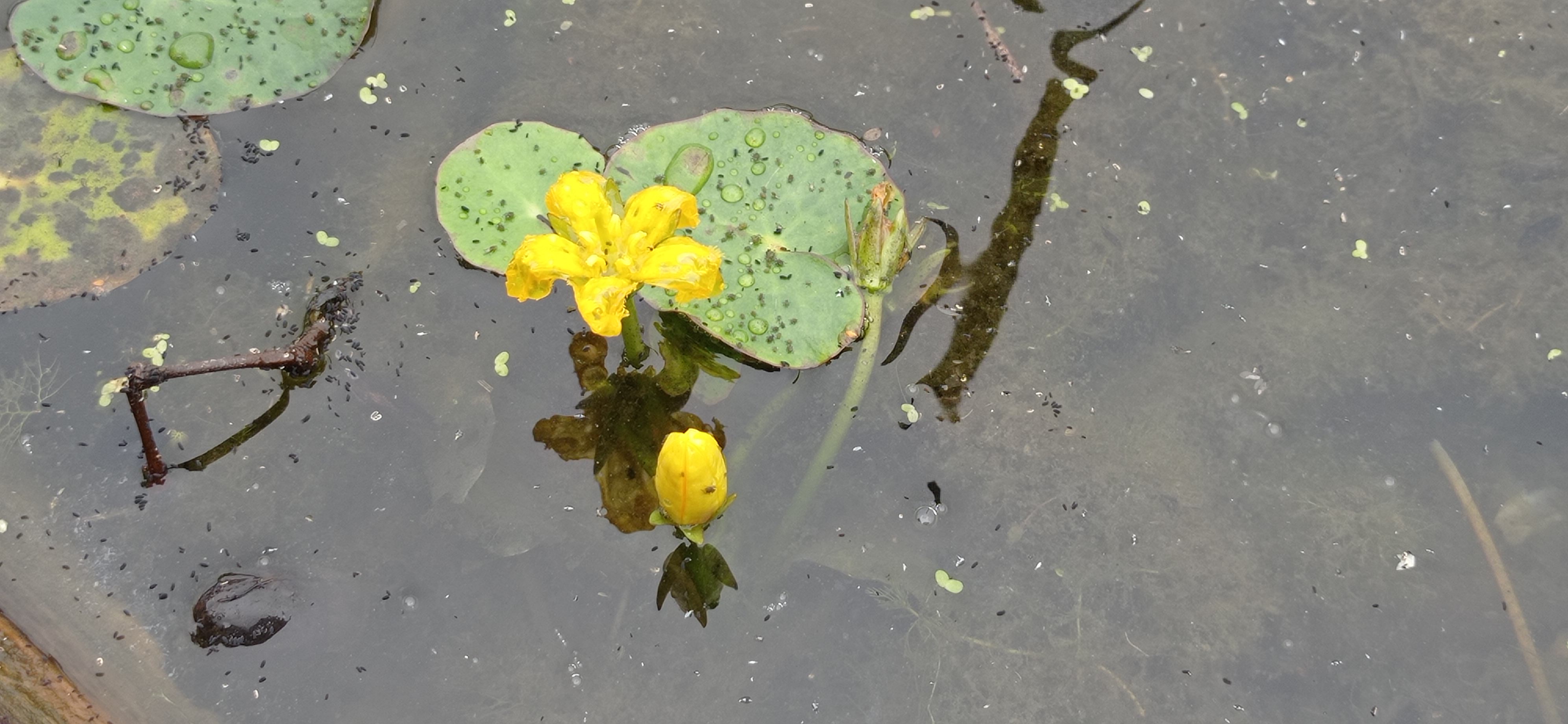
The area supports very rich biodiversity, including wetland plants, amphibians, aquatic invertebrates, and an exceptionally diverse community of butterflies — more than 900 species have been recorded here. This Nature Reserve is also especially valuable for birds. Over 193 bird species have been observed in the area, and around 80 rare or endangered water and wetland bird species regularly nest here.
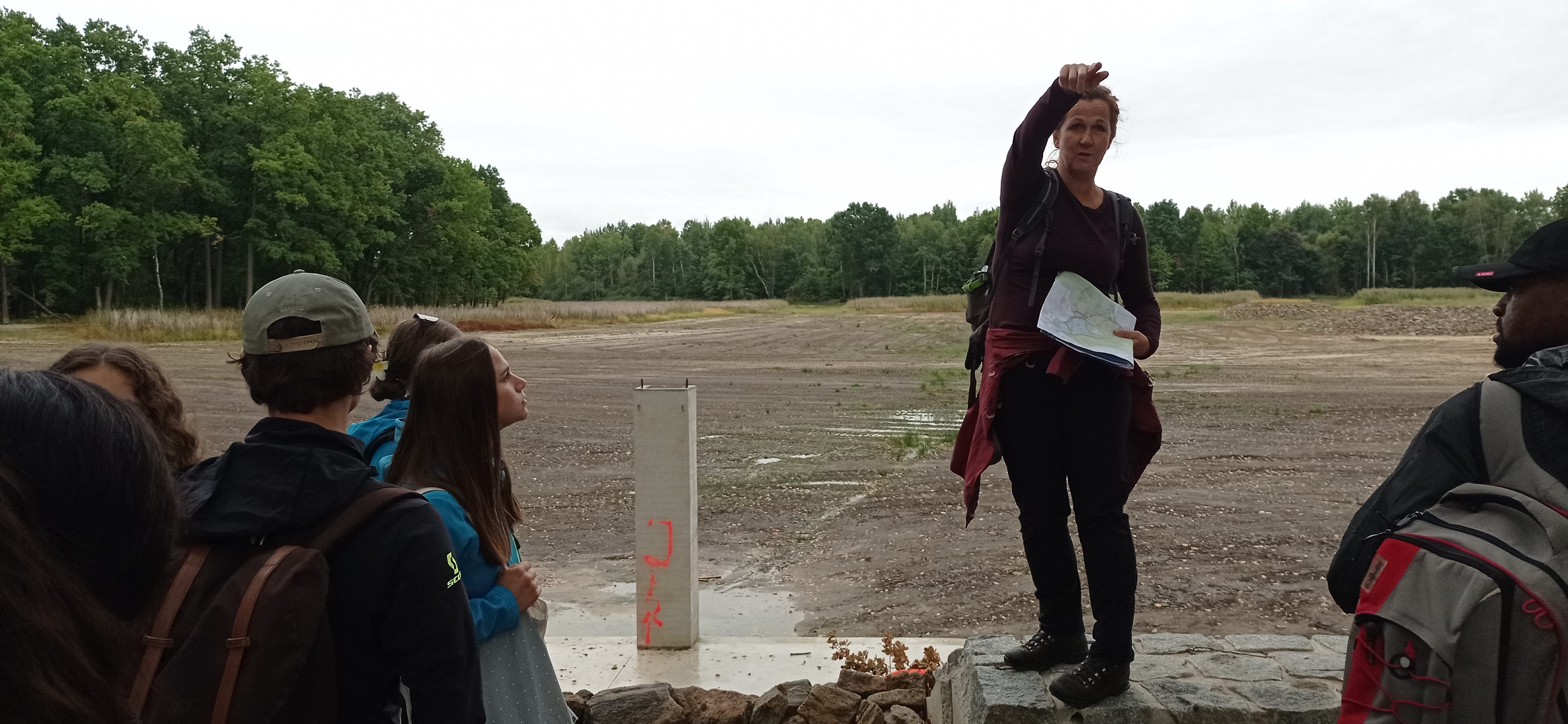
Restoration of two fishponds took place between 2019 and 2021, and work on the remaining three is still in progress. The restoration focused on removing large amounts of sediment, repairing dams and water‑management structures, and building new nesting islands for birds. The goal was to reduce excessive nutrient levels in the ponds, improve water quality, and create better conditions for the habitats protected within this Nature Reserve and the European site of interest. This was a large and technically demanding project. A total of 75,125 m³ of sediment was removed and transported, and new islands were built or reshaped under very strict time and space constraints. Both ponds were completed by the end of February 2021. Today, only targeted fish stocking is used in the two most important ponds so that they primarily support conservation goals. Without this project, the key protected species and habitats would have deteriorated, and much of the wetland vegetation would likely have disappeared.
Some of the rarest bird species visiting this area include the black‑crowned night heron (Nycticorax nycticorax), common tern (Sterna hirundo), common shelduck (Tadorna tadorna), black‑headed gull (Larus melanocephalus), Eurasian spoonbill (Platalea leucorodia), and little egret (Egretta garzetta). You can also observe several species of diving birds, such as the great crested grebe (Podiceps cristatus) and little grebe (Tachybaptus ruficollis), as well as ducks like the tufted duck (Aythya fuligula), common pochard (Aythya ferina), and mallard (Anas platyrhynchos). Waders and their relatives are also common here, including the Eurasian coot (Fulica atra), common moorhen (Gallinula chloropus), and water rail (Rallus aquaticus).