



Program
SWS Europe 2026 Schedule and Abstracts
Conference schedule: download the schedule and explore the scientific and social program.
SWS Europe 2026 Schedule DOWNLOAD
Abstract book of oral and poster presentations
Jan Květ: Supporting information for oral presentation (Session 4, Tuesday 30 June 2026 at 15:25)
Field Trips on Thursday, July 2, 2026:
Rubber boots are not required for the field trips. However, as thunderstorms are forecast during the conference week, the ground may be wet or muddy. We therefore recommend wearing waterproof shoes or hiking boots.
If you're late, lost, or can't find the bus departure point, call +420 603 397 233. Our hero, Tomáš Picek, will talk you back on track!

Departure for the Field Trips:
Buses for the field trips will depart at 8:00 from the parking area near the Exhibition Centre (Výstaviště), see the map showing key conference locations and other useful points in the city: https://mapy.com/s/mohepekufu
Return from the Field Trips:
Šumava: arrival back in České Budějovice at approximately 18:00.
Třeboňsko: arrival back in České Budějovice at approximately 17:00. The bus will stop at Veselí nad Lužnicí railway station at approximately 16:00, allowing participants to catch a train to Prague.
Welcome Reception (Monday, June 29)
Kick off the conference with our Welcome Reception, designed as a relaxed icebreaker for all participants. While the conference itself will take place in the Auditorium, this event will be held in the university building—offering a great opportunity to experience the campus and its unique atmosphere while meeting fellow attendees in an informal setting.
We will start with a small live music performance and welcome speach by the Dean of the Faculty of Science so we reccommend arriving on time. You will taste a variety of food and drinks. It’s the perfect way to start conversations, make connections, and set the tone for the days ahead.
We look forward to seeing you there!

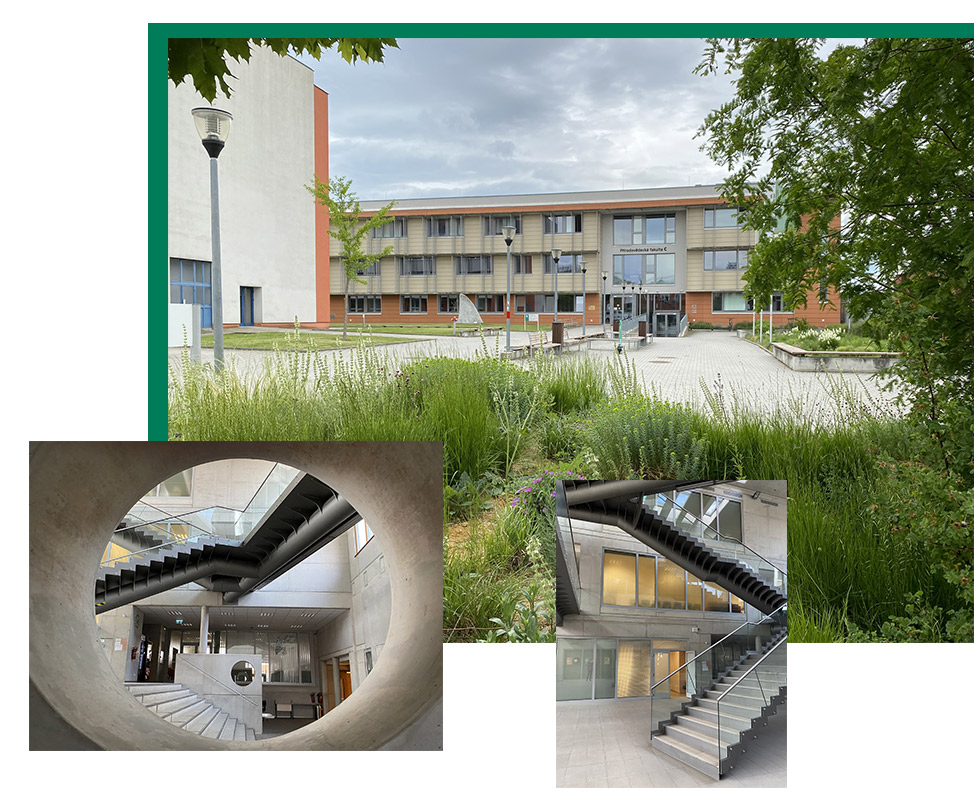

Address
Branišovská 1760, 370 05 České Budějovice, Czechia
Conference Dinner (Wednesday, July 1)
Join us for the SWSEurope 2026 conference dinner at SOLNICE, a unique historic venue in the heart of České Budějovice. Originally built in 1531 as a city granary, this remarkable Gothic building features one of the four oldest roof structures of its kind in the Czech Republic. Over the centuries, it served various purposes, including storing weapons and salt, and has been carefully restored in the 21st century.
Experience an unforgettable evening combining traditional Czech cuisine, local beer, and the atmosphere of a historic setting. The conference dinner offers a perfect opportunity to relax, enjoy great food and drinks, and connect with fellow participants in a friendly and informal environment.
Spend Wednesday evening (July 1) networking, sharing ideas, strengthening professional relationships, and enjoying the unique charm of this historic venue.
Participation in the conference dinner is optional and can be selected during the registration process for an additional fee of 80 EUR.
If you have any questions, please contact the organizing team at swseurope2026@jcu.cz
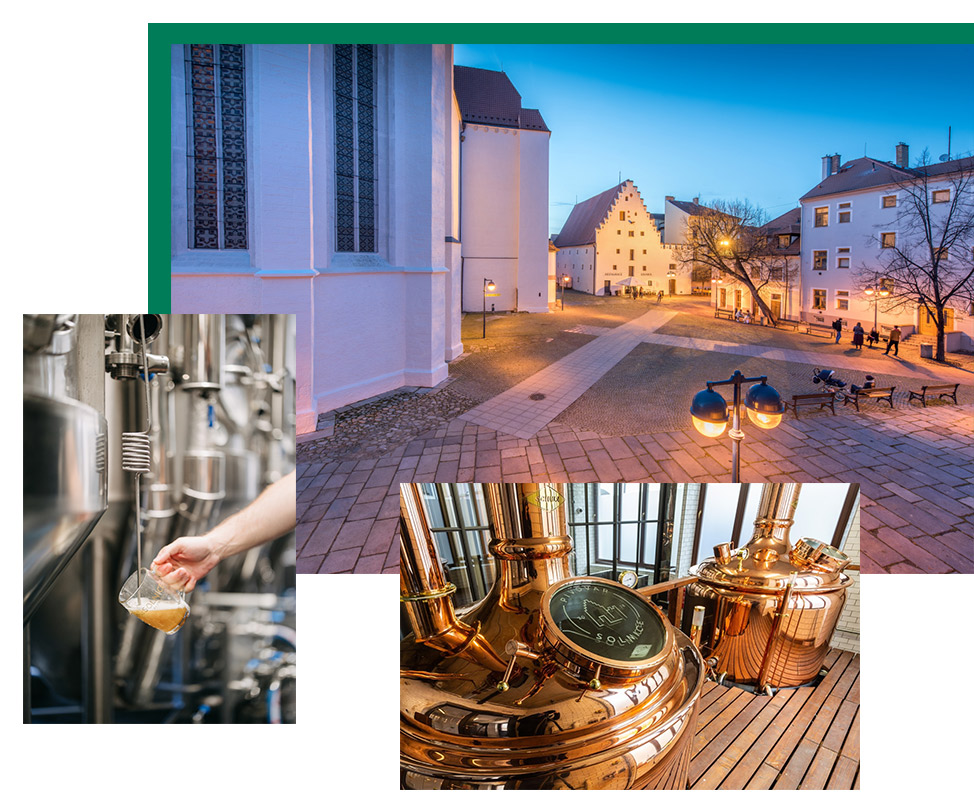
Address
Piaristické náměstí 3, 370 01 České Budějovice, Czechia
Field Trips (Thursday, July 2)
On the final day of the conference, Thursday, July 2, participants are invited to join optional field trips exploring some of the most remarkable wetland and freshwater ecosystems of South Bohemia.
These excursions provide a unique opportunity to experience the region’s landscapes, biodiversity, and conservation sites while continuing informal discussions with fellow participants. Participants can choose from three destinations showcasing peatlands, traditional fishpond systems, and protected wetland reserves.
Practical information:
Rubber boots are not required for the field trips. However, as thunderstorms are forecast during the conference week, the ground may be wet or muddy. We therefore recommend wearing waterproof shoes or hiking boots.
Buses for the field trips will depart at 8:00 from the parking area near the Exhibition Centre (Výstaviště), see the map showing key conference locations and other useful points in the city: https://mapy.com/s/mohepekufu
Return from the Field Trips:
Šumava: arrival back in České Budějovice at approximately 18:00.
Třeboňsko: arrival back in České Budějovice at approximately 17:00. The bus will stop at Veselí nad Lužnicí railway station at approximately 16:00, allowing participants to catch a train to Prague.
Šumava Peatlands
You will visit unique peatlands in the Šumava National Park—one of Central Europe’s most iconic wetland landscapes, which is also designated under the Ramsar Convention. You will see restoration measures on drained and mined sites and on streams, and how restoration and succession are progressing. The excursion will highlight peatland hydrology, long‑term ecosystem development, and restoration approaches aimed at enhancing water retention and improving resilience under changing climatic conditions.
moreTřeboň Ramsar sites
You will visit a landscape typical of South Bohemia, shaped by fishponds and wetlands with rich flora and fauna. This area forms the core of the Třeboň UNESCO Biosphere Reserve. The landscape is historically valuable, created in the 14th and 17th centuries through traditional fish farming, which combined food production with high ecological value. The peat bogs are natural wetlands, although most of them were influenced by drainage or peat extraction. Many of these sites have been at least partly restored. You will also visit the collection of aquatic and wetland plants in Třeboň.
moreVrbenské fishponds Nature Reserve
Shorter field trip than the others = good option for those who need to leave earlier in the afternoon. You will visit a unique 246 hectare Nature Reserve on the edge of České Budějovice, historic pond landscape created in the 14th and 15th centuries. The system of five fishponds, together with extensive surrounding wetlands and meadows, supports exceptionally rich and distinctive flora and fauna. In recent years, several restoration measures have been implemented (sediment removal, dam repairs, construction of bird islands) with the aim of reducing pond hypertrophy and enhancing overall ecosystem functioning.
more